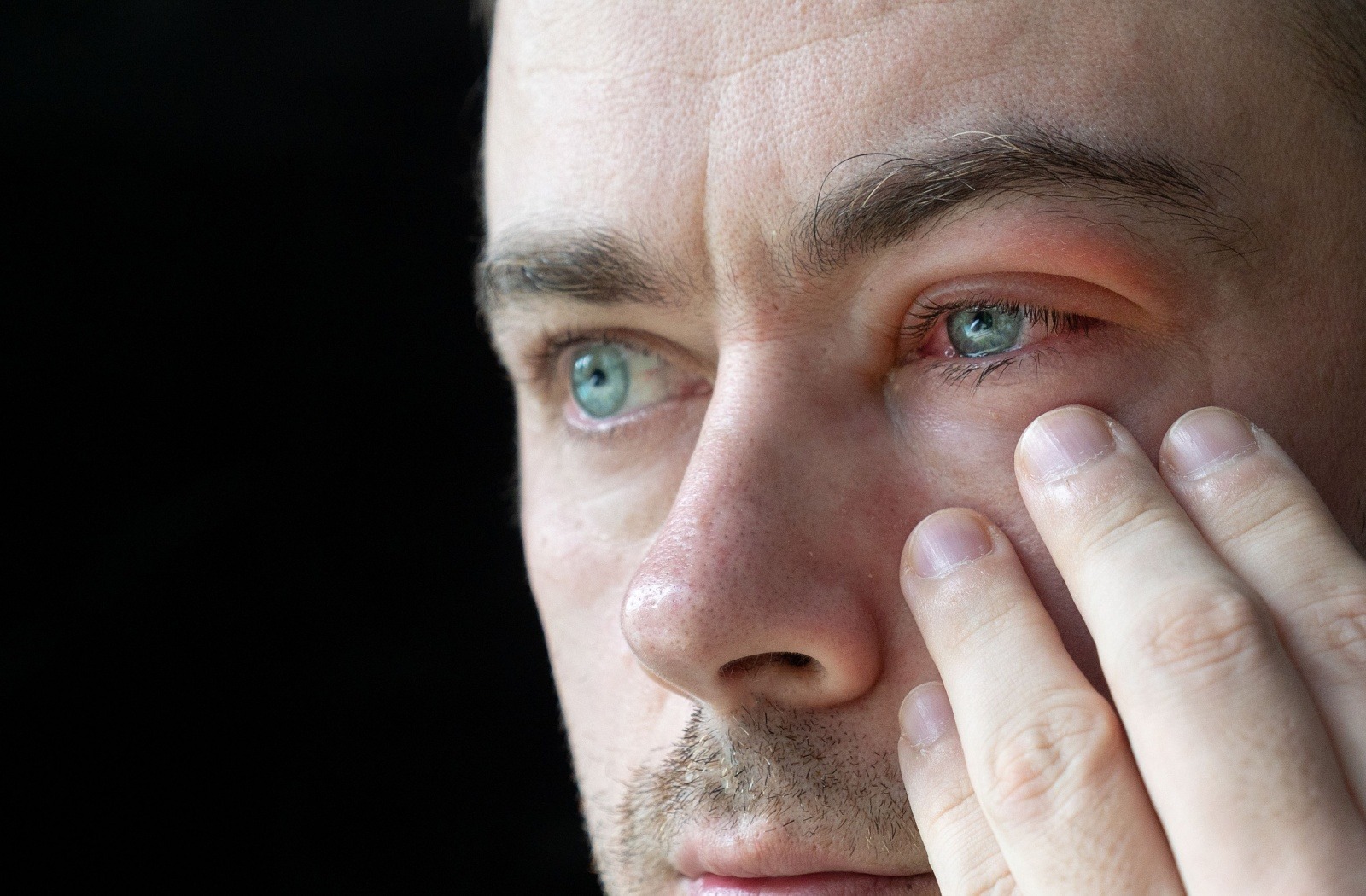
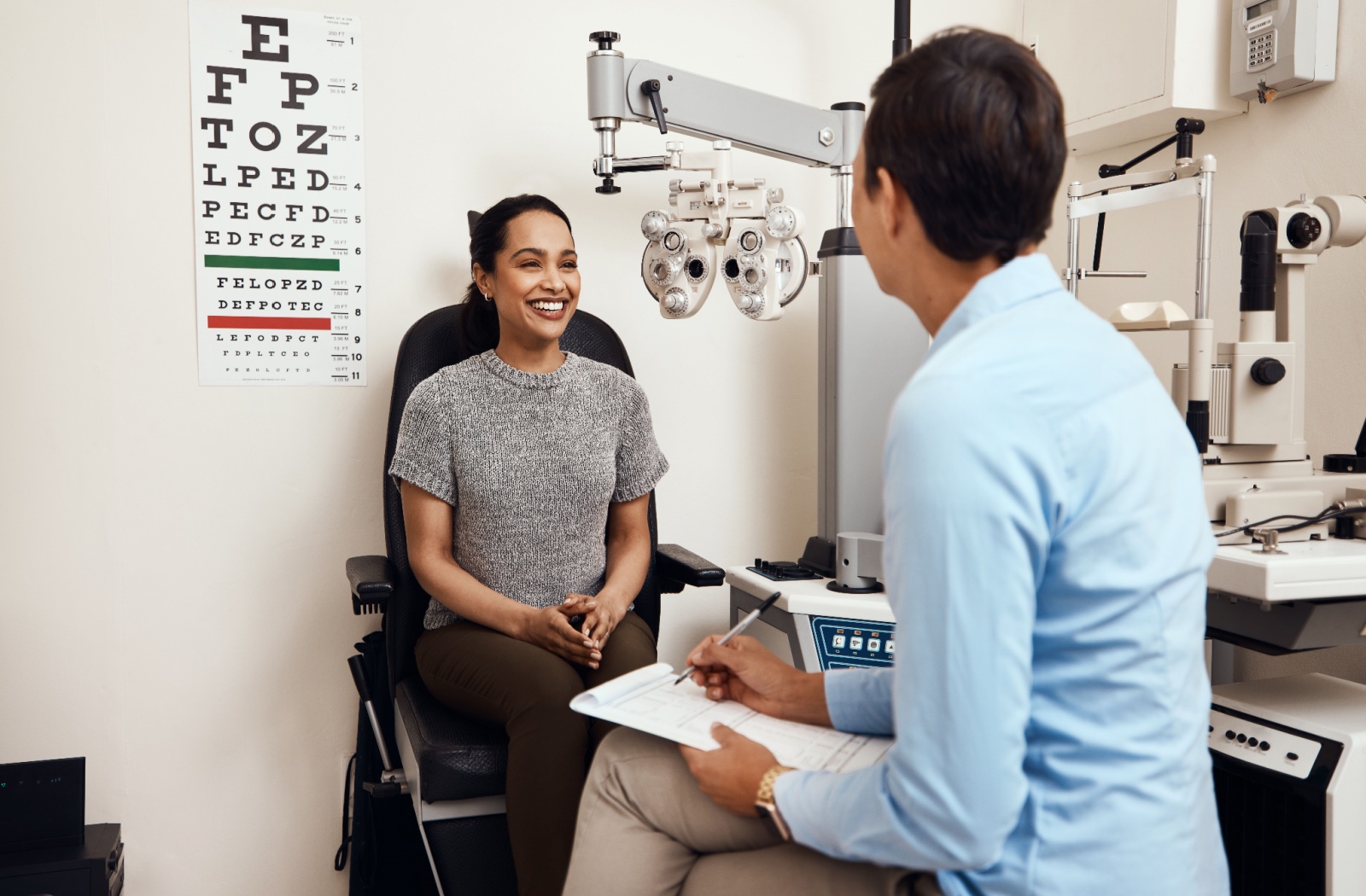
Booking an eye exam might seem like a hassle, but it’s an important step in maintaining your vision. It doesn’t take as long as you might think, and the benefits outweigh the minor inconvenience. A regular eye exam can help detect and address potential eye problems early, preventing more serious issues down the line.
If you’re worried about your eye exam taking a long time, you’ll be happy to hear that regular eye exams only take 30–45 minutes. However, eye exams can sometimes take longer if your optometrist needs to do additional testing or if you are being fit for contacts or glasses. This can take an additional 10-30 minutes.
What Happens During an Eye Exam?
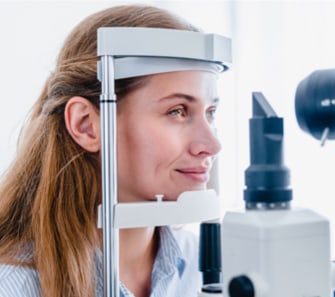
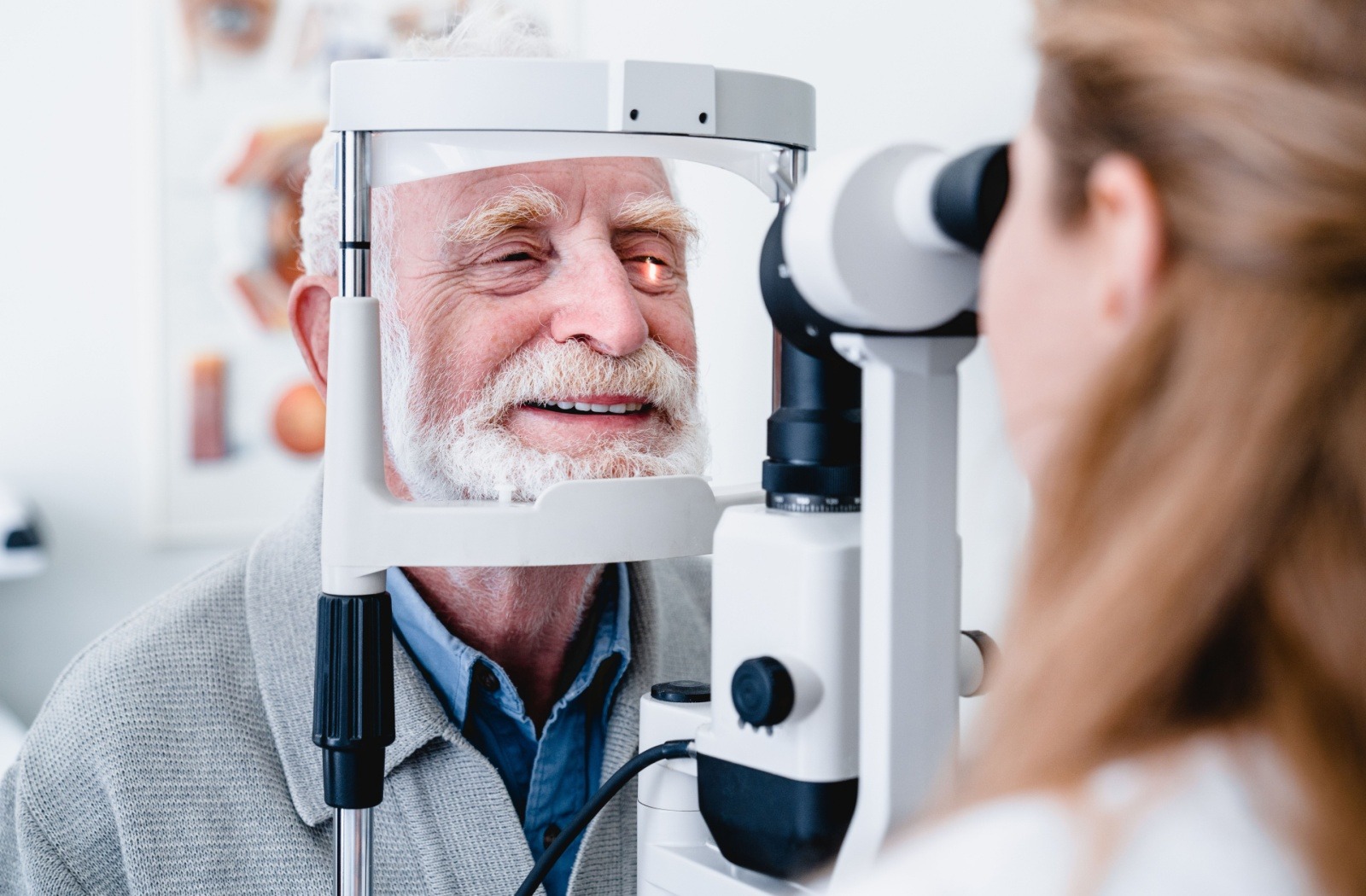
During comprehensive eye exams, your optometrist will assess your vision and eye health. They will perform several tests to examine the different parts of your eyes. In these exams, your optometrist will be on the lookout for symptoms of common eye diseases. Catching these symptoms early on means that you can prevent serious visual issues before they arise. During a routine eye exam, an optometrist will likely examine the following:
Patient History Evaluation
An optometrist will review your medical history, including any medical conditions you may have and whether your family has a history of eye conditions. The optometrist will likely also ask about your lifestyle to identify your visual needs.
Visual Acuity Measurements
Visual acuity tests measure how sharp and accurate one’s vision is at different distances. They are used to identify conditions like myopia, hyperopia, and astigmatism.
Colour Vision Evaluation
Colour vision tests identify if you have any issues seeing colours. They are used to diagnose conditions like colour deficiency or potential eye diseases that affect colour vision.
Binocular Vision Assessment
Binocular vision refers to how well your eyes can focus and work together. It can affect your depth perception and coordination, and poor binocular vision can lead to eye pain and headaches, so it’s important to diagnose deficiencies quickly.
Internal & External Eye Health Examination
In these tests, an optometrist will closely examine the inside and outside of your eyes for any abnormalities. Optometrists use common visual imaging techniques like corneal topography and dilated eye exams for this part of an eye exam.
Neurological Assessment
Neurological assessments help make sure that your brain is processing visual information properly. During this part of your eye exam, optometrists will test things like your pupillary reflexes and peripheral vision.
Refractive Correction
If you have visual difficulties that can be solved with glasses or contacts, your optometrist will perform a refractive correction. This involves measuring your eyes and finding the right kind of lens to help correct them.
Review, Diagnosis, & Additional Testing
After your optometrist completes your eye exam, they will tell you about their findings and what that means for your vision. At this point, you can discuss additional visual testing, contact lens fittings, and treatment plans for any eye conditions you may have.
How Often Should I Get an Eye Exam?
The Canadian Association of Optometrists (CAO) recommends that adults under 64 should have a comprehensive eye exam once every 2 years. Adults over the age of 65 and adults with diabetes should schedule a comprehensive eye exam every year due to a high risk of eye diseases and visual problems.
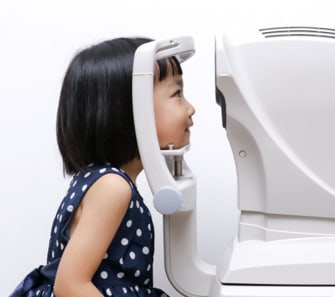
The CAO recommends that infants should receive their first eye exam between 6–9 months old. A child’s second eye exam should take place between 2–5 years old, and they should have annual eye exams from ages 6-19.
Tips For Your Eye Exam
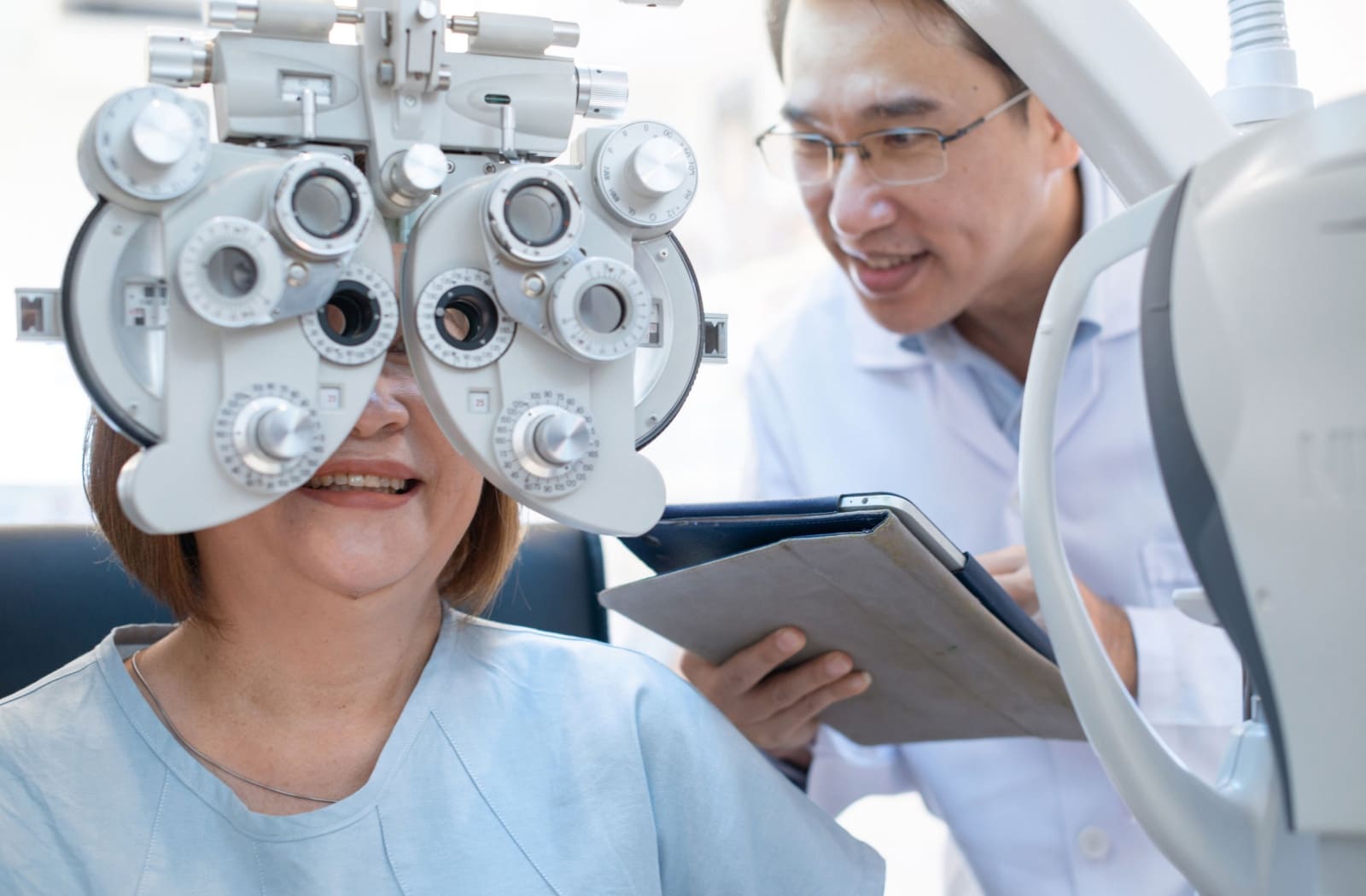
While eye exams don’t take very long, there are some things you can do before and during your eye exam to make them as quick and easy as possible. Here are some tips on how to prepare for your next eye exam.
Before Your Eye Exam
Before your next eye exam, you want to collect any information that you think will be helpful to your optometrist during your eye exam. Some things you can prepare before your eye exam are:
- Collect the glasses or contacts that you have been wearing and your prescription information to show your optometrist.
- Make a list of any symptoms or concerns you have about your vision.
- Review your recent medical history and note anything that may affect your vision. This includes new medications or diagnoses you have received.
During Your Eye Exam
While your optometrist will help you through the process of an eye exam, there are some things you can do to make the process easier.
- Be honest about your vision. Your optometrist wants to help you with your visual needs. By being honest about your vision, your optometrist will have the right information to make accurate diagnoses and recommendations.
- Ask questions! If you aren’t sure about something, it is important to ask for clarification. This will help testing go faster and help you be confident in the information and recommendations your optometrist gives you.
When Should I Book My Next Eye Exam?
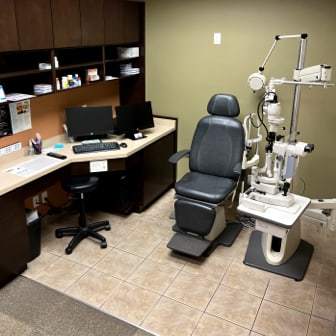
If you haven’t booked an eye exam for over 2 years, the best time to book your next appointment is now! Our knowledgeable teams at our Bonnyville and St. Paul locations would be happy to provide you and your family with comprehensive eye exams.
At Lakeland Family Eyecare, we use modern systems to provide you with quality eye care services. Contact us today to book an appointment!