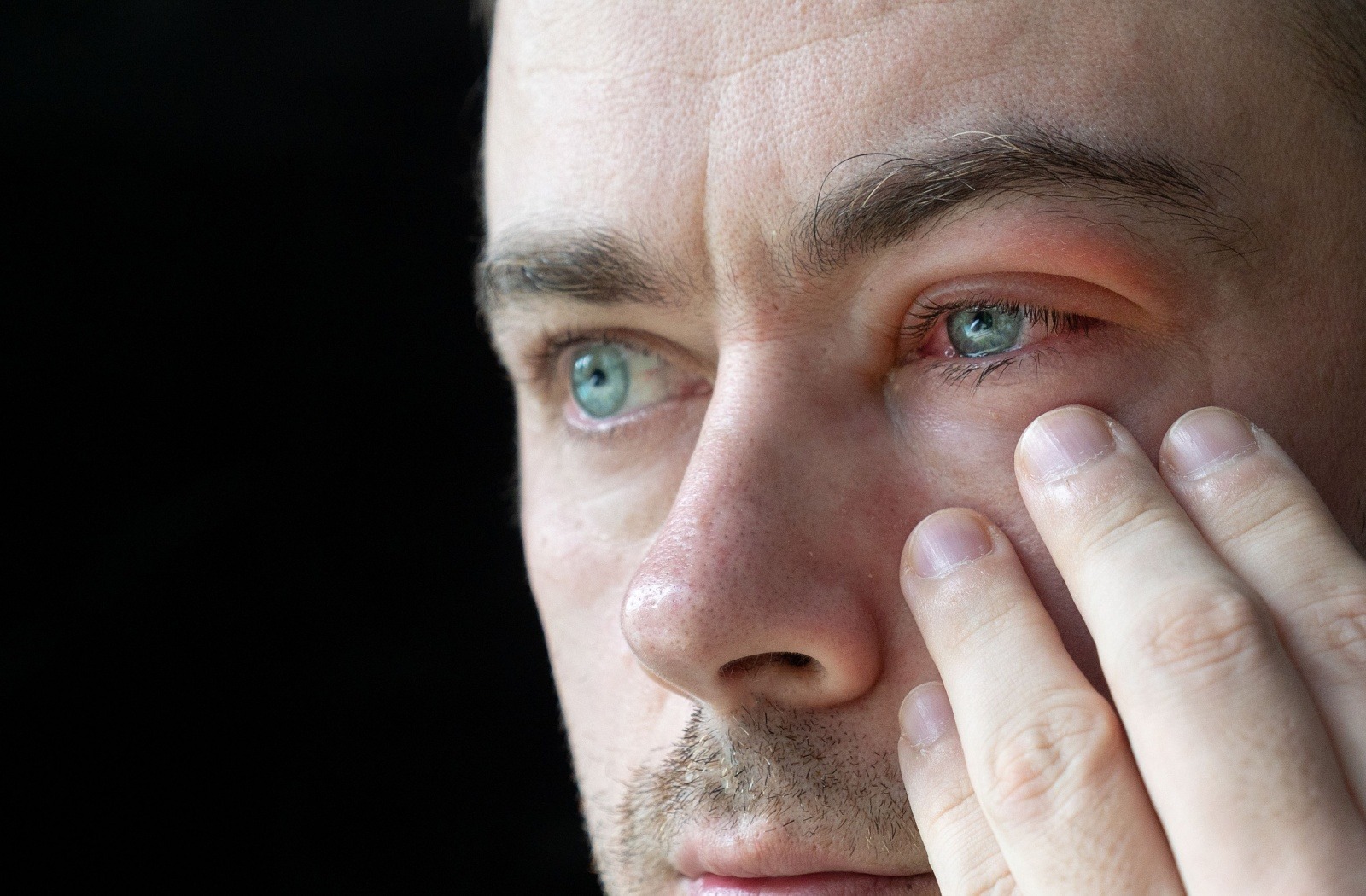
A red, swollen, and uncomfortable eye can be alarming, and it’s common to wonder what’s causing the irritation. Many people confuse pink eye and styes because they share similar symptoms, but they are very different conditions. Often, other issues are mistaken for pink eye, which is why a proper diagnosis is so important.
The key difference is that pink eye affects the entire surface of your eye, while a stye is a localized, uncomfortable lump on your eyelid. Understanding what sets them apart can help you find relief sooner and know when to seek professional care.
What Is Pink Eye?
Pink eye, also known as conjunctivitis, is an inflammation of the conjunctiva. This is the thin, clear layer that covers the white part of your eye and lines the inside of your eyelid. It’s a common condition that we see in people of all ages, from young children to adults.
Common Causes of Pink Eye
This condition can happen for a few different reasons, each with slightly different symptoms. The main causes are viruses, bacteria, or allergens like pollen and pet dander. Viral and bacterial forms are contagious, while allergic pink eye is not.
Telltale Signs and Symptoms
- Redness or a pink colour in the white of the eye
- Itchiness or a gritty feeling
- Watery eyes or a thick discharge
- Swollen eyelids
- Crusting on the eyelids or lashes, especially in the morning
What Is a Stye?
A stye is a small, red, uncomfortable lump that grows from the base of your eyelash or under the eyelid. You can think of it as a pimple on the eyelid, caused by a blocked oil gland. While they can be very uncomfortable, they are usually harmless.
How Styes Form on the Eyelid
Most styes are caused by a bacterial infection in an oil gland or hair follicle on your eyelid, and they can sometimes be related to conditions like blepharitis or eyelid inflammation. They are typically confined to one small spot and are not contagious. This means you can’t pass a stye to another person.
Common Signs and Symptoms
- A noticeable red lump on the edge of the eyelid
- Eyelid discomfort and swelling
- A feeling like something is in your eye
- Tearing or watery eyes
- Tenderness when you blink
How to Manage Eye Discomfort at Home

While professional care is important for a correct diagnosis, there are a few things you can do at home to help manage the discomfort until your appointment. These steps can provide temporary relief. They are not a substitute for a proper eye exam.
Soothe Pink Eye Symptoms
A cool, damp cloth placed over closed eyes can help soothe irritation and itching. It’s also important to wash your hands frequently and avoid touching your eyes. This simple step can help prevent spreading the infection to others or your other eye.
Care for a Stye
A warm compress held gently against your closed eyelid for 10–15 minutes a few times a day can help a stye drain on its own. Keep the area clean and avoid wearing eye makeup or contact lenses until it has healed. If you wear contacts, it’s essential to follow proper wear and care instructions to avoid further irritation. Never try to squeeze or pop a stye, as this can worsen the infection.
Can You Use Pink Eye Drops for a Stye?
This is a question we hear often, but the answer is no. Medication for pink eye targets the conjunctiva, not the infected gland of a stye. Using the wrong treatment won’t be effective and could delay proper care.
When to Seek Professional Eye Care
Home care can help with comfort, but it’s no substitute for professional advice. An accurate diagnosis is the first step toward relief, and seeing an optometrist helps you get the right treatment plan for your specific situation.
Symptoms That Need a Closer Look
If you experience significant pain, changes in your vision, or if your symptoms don’t improve after a few days of home care, it’s time to seek professional emergency eye care. A clear diagnosis helps rule out other issues and gets you the right care plan. Your vision is too important to leave to chance.
Eye Care for Your Family
Eye issues can be stressful. With young children, the main challenge is to keep their hands away from their eyes, making professional children’s eye care even more critical.
For families in our community, getting a clear diagnosis and a personalized treatment plan is key. Our team at Lakeland Family Eyecare is here to help your family see clearly and comfortably. Don’t guess when it comes to your eye health. Book an appointment with us today for clear answers and professional support.