Your eyes feel gritty and uncomfortable, but you can’t figure out why they’re so dry. You might be surprised to learn that the same allergies making you sneeze could be the reason your eyes feel like sandpaper.
Yes, allergies can cause dry eyes by disrupting your natural tear film and creating inflammation that interferes with normal eye moisture. When your immune system overreacts to allergens, it doesn’t just affect your nose—your eyes bear the brunt of this response too. Our team at Lakeland Family Eyecare can help.
How Allergies Affect Your Eyes
When you encounter an allergen, your immune system kicks into overdrive. It releases chemicals like histamine that create inflammation throughout your eye area. This reaction doesn’t just make your eyes red and itchy—it can actually change how your tears work.
Your tear film has 3 layers that keep your eyes moist and comfortable. Allergic reactions disrupt this delicate balance, causing tears to evaporate faster than normal. The inflammation also affects the glands that produce oils and other components your eyes need to stay properly lubricated.
Common allergens that impact eye moisture include tree pollen, grass, ragweed, pet dander, dust mites, and mould spores. Even things you wouldn’t expect, like certain perfumes or cleaning products, can trigger this dry eye response.
Signs Your Dry Eyes Come from Allergies
Allergy-Related Eye Symptoms
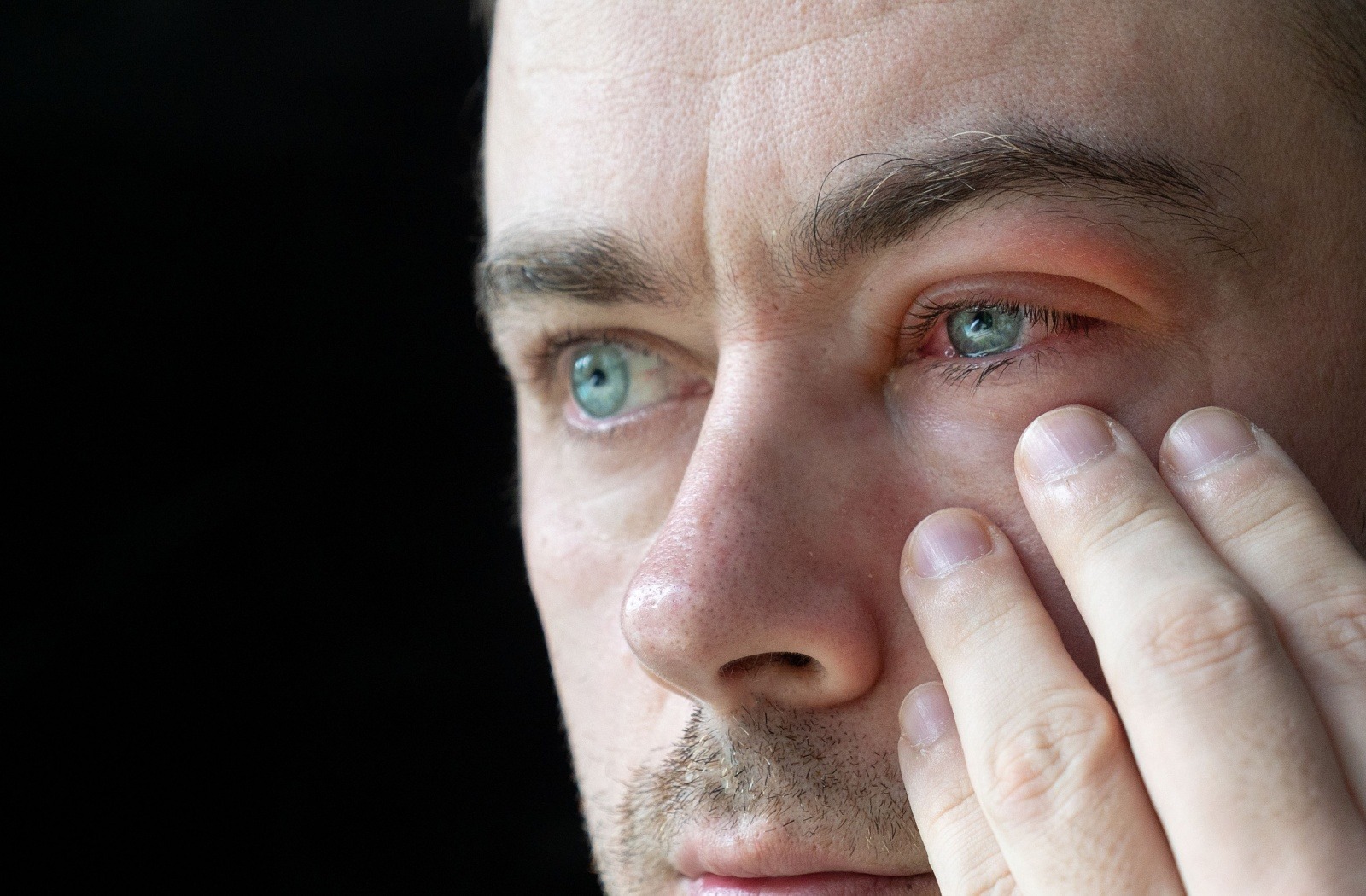
Allergy-induced dry eyes come with their own set of telltale signs. You’ll notice scratching that makes you constantly want to rub your eyes. This is often accompanied by a burning sensation that gets worse throughout the day.
Your eyes might look red and inflamed, sometimes with a stringy or watery discharge. This might seem contradictory—how can your eyes be both dry and watery? The watery discharge occurs because your eyes try to flush out irritants, but these reflex tears don’t provide adequate lubrication.
Swollen eyelids are another common sign. The skin around your eyes becomes puffy and tender, making it uncomfortable to blink normally.
How to Tell Allergies from Other Causes
Timing gives you the biggest clue about whether allergies cause your dry eyes. If your symptoms flare up during specific seasons or after exposure to certain environments, allergies are likely the culprit.
You’ll also notice other allergy symptoms alongside your dry eyes. Sneezing, runny nose, congestion, or scratchy throat often accompany allergy-related eye problems. These additional symptoms help distinguish allergic dry eyes from other causes.
Another telling sign is how your eyes respond to allergy treatments. If antihistamines or allergy eye drops provide relief, this confirms that allergies are behind your dry eye discomfort. Getting a proper diagnosis from comprehensive eye exams helps determine the exact cause of your symptoms.
Types of Allergies That Trigger Dry Eyes
Seasonal allergies are the most common dry eye culprits. Spring tree pollen, summer grasses, and fall ragweed create predictable patterns of eye discomfort. You might notice your dry eyes get worse during specific months each year.
Indoor allergens can create year-round problems. Dust mites living in your bedding and furniture, pet dander floating through your home, and mould growing in damp areas can keep your eyes constantly irritated and dry.
Even products you’ve used for years, like certain makeup, can suddenly start causing reactions. If you wear contacts, learning about specialized lenses for dry eyes can help reduce irritation.
Relief Options for Allergy-Related Dry Eyes
At-Home Care Methods
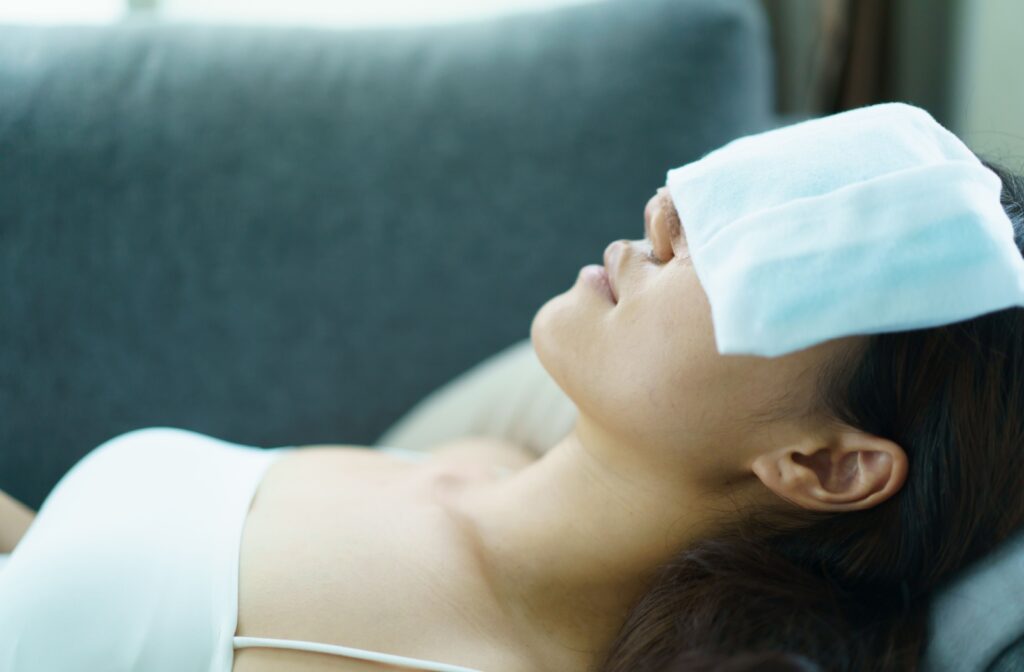
Cool compresses help provide immediate relief for inflamed, dry eyes. Place a clean, damp cloth over your closed eyes for 10–15 minutes several times a day. This reduces swelling and soothes irritation.
Gentle eyelid cleaning removes allergens that stick to your lashes and skin. Use warm water and a mild, fragrance-free cleanser to wash away pollen and other irritants. Avoiding your known triggers—whether that’s staying indoors on high-pollen days or using air purifiers—can prevent symptoms before they start.
Preservative-free artificial tears help replace the moisture your eyes lose during allergic reactions. Look for single-use vials that don’t contain chemicals that might further irritate sensitive eyes. Warm compresses can also help improve the function of oil-producing glands in your eyelids.
When Professional Care Helps
Prescription allergy eye drops work more effectively than over-the-counter options for severe dry eyes. These medications target specific parts of the allergic response and provide longer-lasting relief.
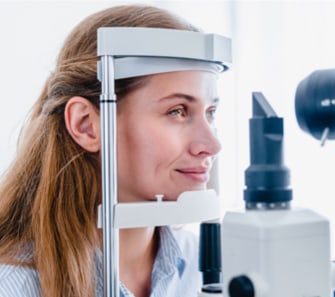
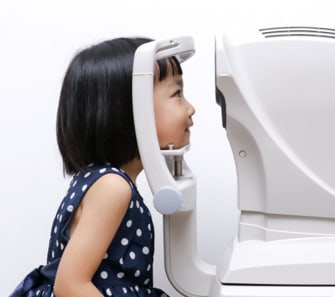
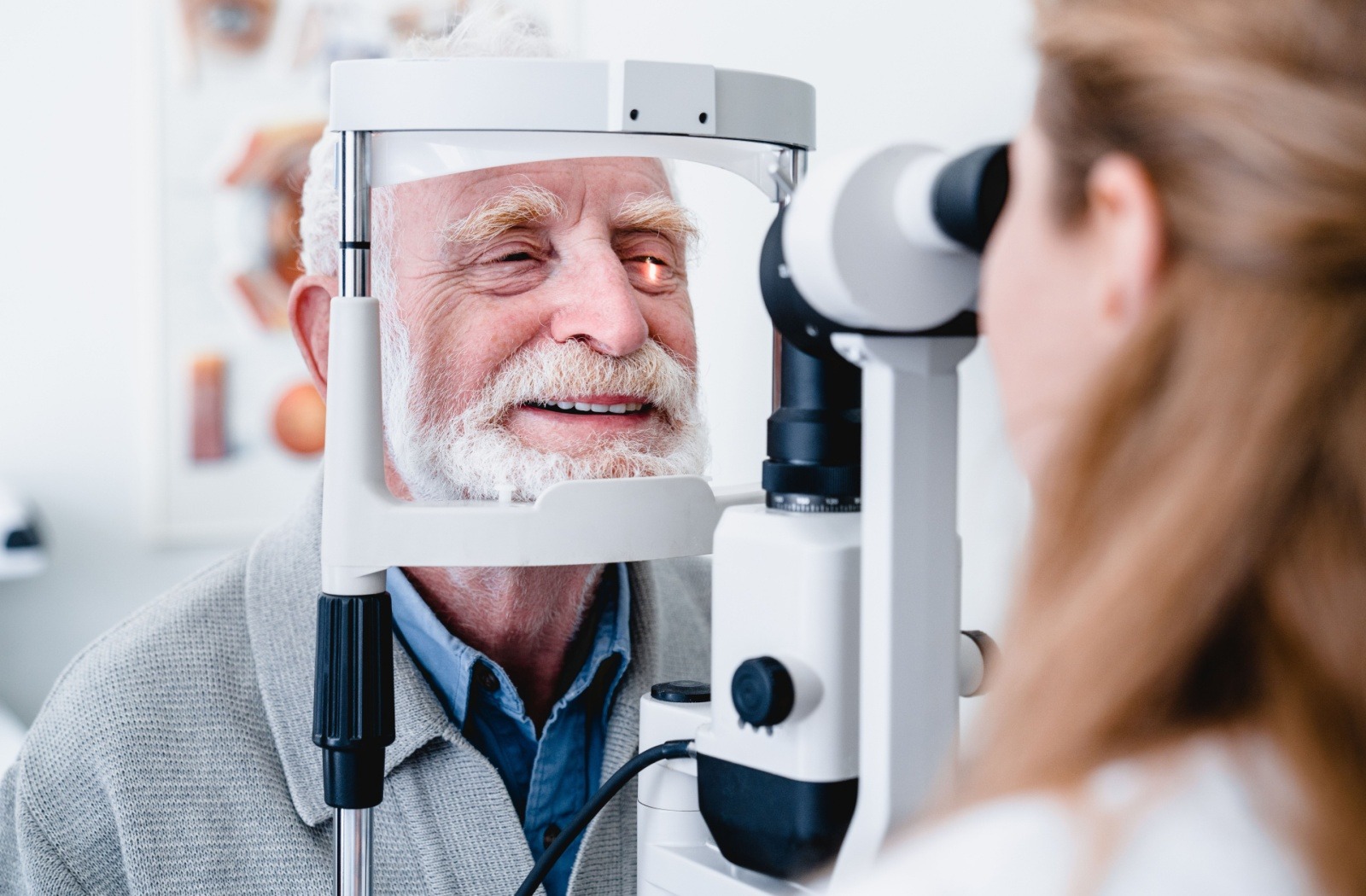
A comprehensive eye examination helps identify the exact cause of your dry eyes and rule out other conditions. The eye care team can determine whether your symptoms come from allergies, underlying eye conditions, or a combination of factors.
When basic remedies don’t provide enough relief, modern treatment options can help. These might include prescription medications, specialized eye drops, or procedures that help your eyes produce better quality tears. Professional dry eye therapy can address both allergic triggers and underlying tear film problems.
Get Professional Eye Care in the Lakeland Area
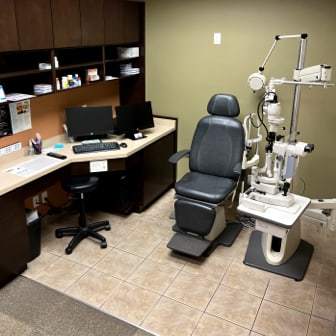
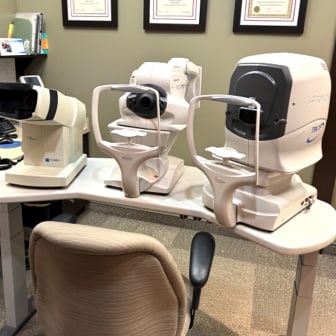
Our team at Lakeland Family Eyecare uses digital retinal photography and OCT imaging during every exam to get a complete picture of your eye health.
You’ll receive personalized treatment recommendations based on your specific symptoms and lifestyle. Our team understand how allergies affect families in the Lakeland area and can suggest targeted solutions that work for your environment.
Don’t let allergy-related dry eyes keep bothering you. Contact our team today to schedule your comprehensive eye examination and get the relief your eyes need.