
Key Takeaways
- Neurolens lenses add a contoured prism design to your regular prescription.
- Headaches, blurry vision when you shift focus, neck tension, and tired eyes are symptoms of screen-related eye strain.
- Those with eye strain caused by eye alignment issues may benefit from Neurolens.
- A Neurolens appointment starts with a full eye exam and a noninvasive assessment of how your eyes work together.
You finish a long afternoon of emails, spreadsheets, and video calls, and a dull ache settles behind your eyes. By dinner, your neck feels stiff, and the words on your phone look fuzzy. If this sounds familiar, our team at Lakeland Family Eyecare can help you find out whether your eyes are working harder than they need to.
Neurolens is a type of prescription lens with a contoured prism design that gently guides your eyes into more comfortable alignment, which can help ease screen-related headaches and eye strain. It starts with a comprehensive eye exam, where your eye doctor checks your prescription and eye health.
What Is Neurolens?
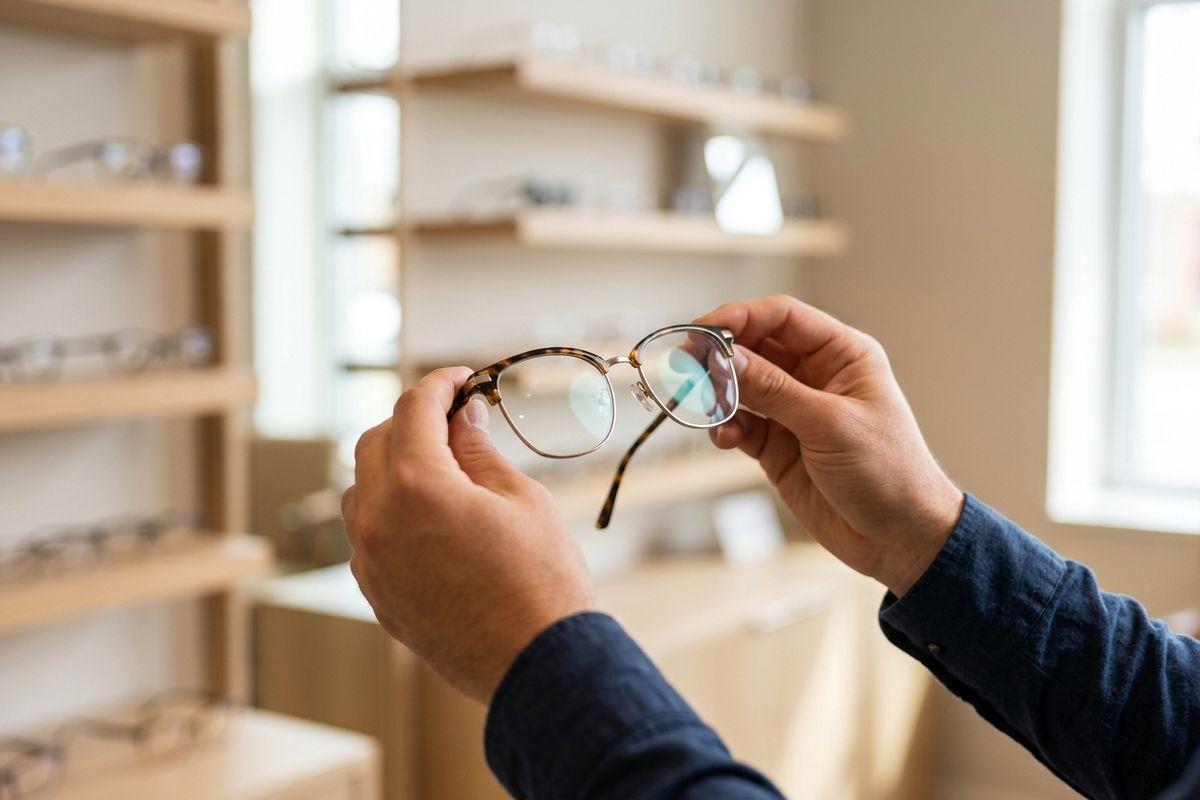
From the outside, Neurolens glasses look like a regular pair of glasses. The difference sits inside the lens, where a contoured prism design gently guides your eyes into more comfortable alignment.
This prism works alongside your regular focus correction. You still get the clear vision your prescription gives you, with added support built right in.
Signs of Screen-Related Eye Strain and Headaches
If you have screen strain related to an eye alignment issue, you might notice one or several of these signs during a busy day:
- You get headaches during or after screen time.
- Your vision blurs when you shift focus from your screen to something else.
- Your neck feels tense or tight.
- Your eyes feel sore, dry, or tired.
If these signs persist or worsen, an eye exam can help pinpoint what’s going on.
Why Screens Can Bother Your Eyes
Think about a normal workday. You glance from your monitor to a printed report, then up to a coworker, then back to your screen. Your eyes shift focus again and again.
If your eyes are slightly misaligned, each of those shifts takes extra effort from you. It’s easy to miss in the morning. However, tiredness builds as your day goes on, and by late afternoon you may feel it in your head, eyes, and neck.
How Neurolens Helps Ease Eye Strain
Support at Every Distance
Your day pulls your eyes in many directions. You might read a book up close before bed, work on a laptop about an arm’s length away, and look across the room to watch your kids play.
Neurolens supports your eyes at each of these distances, which can help you move between tasks with less effort.
How Neurolens Differs from Standard Glasses
Standard lenses help you see sharply. They bring blurry street signs and faces into focus.
Neurolens targets something different: Discomfort from eye misalignment. The good news is you don’t have to pick which one you need support with, as both work together in the same pair of glasses.
Who Can Benefit from Neurolens?
Many people spend long stretches on close-up tasks, but not all eye strain is caused by eye alignment issues. Neurolens lenses are designed to reduce the effort required for your eyes to work together, potentially helping people who experience symptoms associated with eye misalignment, such as eye strain or headaches.
An eye care professional can assess your symptoms and determine whether Neurolens may be a good option for you or a loved one.
Neurolens and Migraine Symptoms
If you live with migraines, you may notice screen time seems to bring on or worsen your symptoms. Neurolens may help in these cases.
An eye alignment check can show whether Neurolens fits your needs. It’s a simple first step toward a more comfortable day.
What to Expect at Your Neurolens Appointment
Your visit follows a clear, simple path:
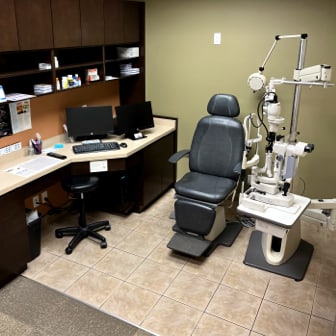
- Your eye doctor starts with a full eye exam to check your overall eye health and prescription.
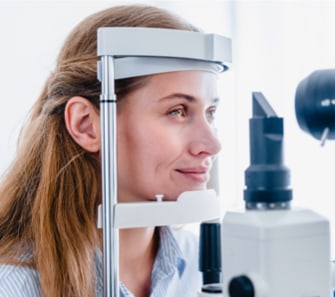
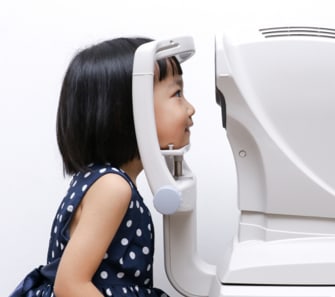
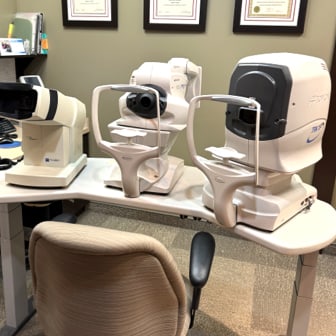
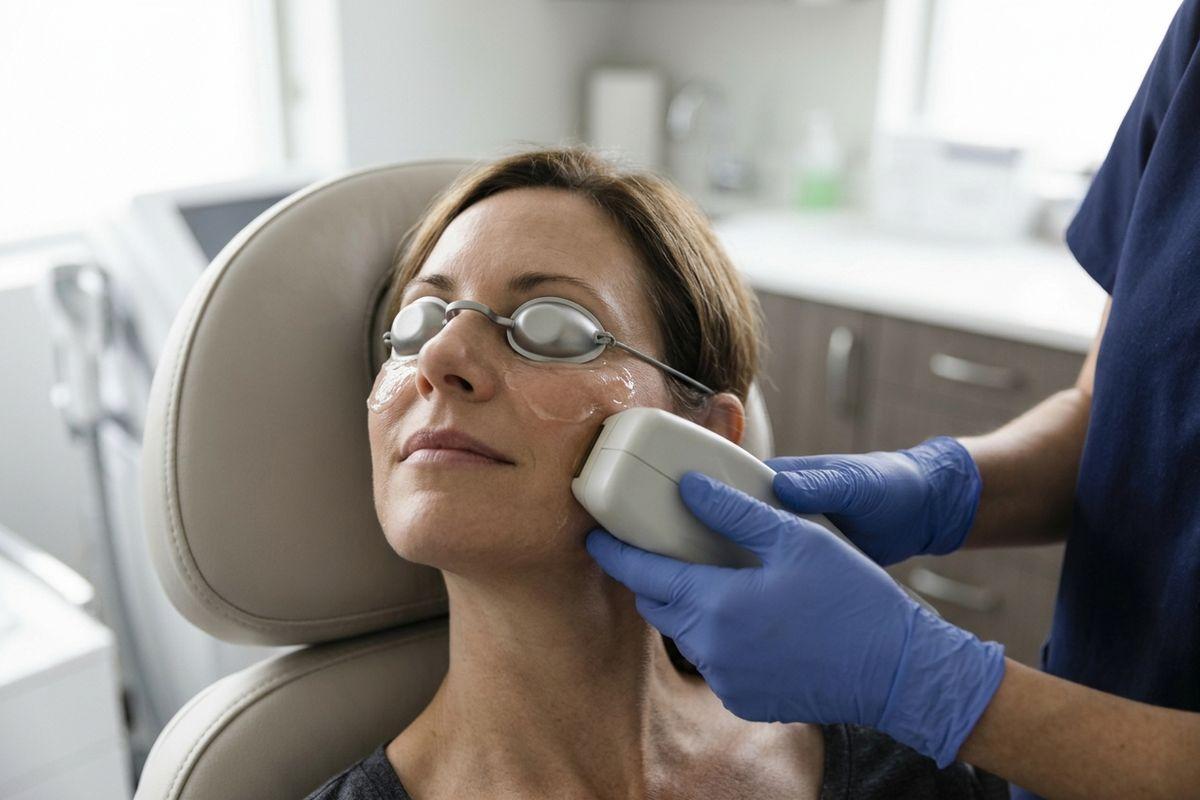
- Next comes a quick, noninvasive assessment of how your eyes work together as a team.
- If Neurolens suits you, our team orders custom lenses, fits your glasses, and walks you through a short adjustment period.
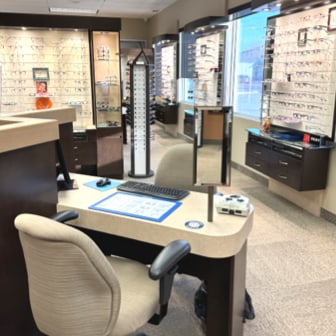
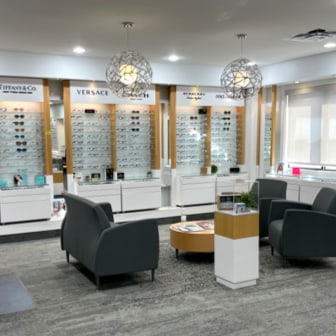
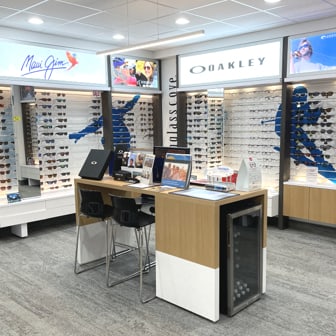
While you’re there, you can browse the frame gallery. Our St. Paul and Bonnyville locations carry a wide selection of styles, with frames for every budget.
Simple Habits for Daily Screen Comfort
Alongside Neurolens, a routine called the 20-20-20 rule can give your eyes a regular break. Every 20 minutes, take a 20-second break to look at something 20 feet away. This gives your eyes a chance to rest, which can help with strain.
Our Locations
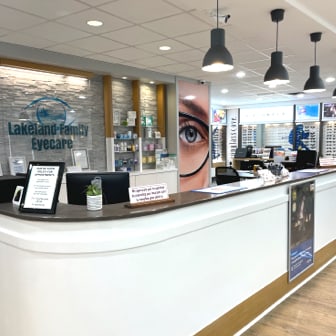
Lakeland Family Eyecare offers Neurolens assessments at 2 locations. If you’re looking for eye care in Bonnyville, the Bonnyville eye clinic sits front and centre on Main Street. If you live closer to St. Paul, the St. Paul clinic has served the community for decades and is happy to welcome you.
Schedule Your Appointment
Whether you’re new to the area or have called it home for years, our team can help you get to the bottom of those end-of-day headaches. Book your appointment with Lakeland Family Eyecare today and find out if Neurolens can help your eyes feel more comfortable after a long screen day.