
Key Takeaways
- Dry eyes can feel like burning, grittiness, or watery irritation.
- The two main contributors are low tear production and tears that evaporate too quickly.
- Simple home habits like warm compresses and screen breaks can help reduce symptoms.
- Preservative-free drops are a better choice if you need them frequently throughout the day.
- If symptoms persist or worsen, an optometrist can diagnose the cause and create a personalized treatment plan.
Home Care & Professional Treatment Can Help
Your eyes feel scratchy, tired, and uncomfortable, yet somehow they keep watering. It might sound contradictory, but this is actually one of the less intuitive parts of dry eye disease.
Dry eye disease (DED) is manageable, and depending on the cause, a mix of home care and professional treatment can help reduce symptoms while also keeping your eyes more comfortable. Whether you ‘re starting to notice discomfort or have been dealing with it for a while, our team at Lakeland Family Eyecare is here to help you find the right dry eye therapy options.
What Dry Eyes Actually Feel Like
Common Symptoms to Watch For
The symptoms of DED often build gradually, and many people brush them off as the result of tiredness or screen time. Here are some of the signs that you should pay attention to:
- A burning, stinging, or gritty feeling, like something is caught in your eye.
- Blurry vision that comes and goes throughout the day, especially during reading or screen use.
- Eyes that water constantly but still feel dry and irritated.
Symptoms That Can Be Mistaken for Other Conditions
Some symptoms of dry eye disease are often confused with other conditions. Excess tearing is often mistaken for allergies, while light sensitivity gets blamed on migraines or eye strain. If these issues keep coming back, DED could be worth looking into.
What Contributes to Dry Eyes
The 2 Main Contributors
Most cases of DED come down to 1 of 2 things. Either your eyes aren’t producing enough tears, or your tears are evaporating too quickly because of issues with the oil glands along your eyelids. Both lead to the same uncomfortable result, but the path to relief may be different.
Risk Factors That Make Dry Eyes Worse
Certain habits and health factors can make DED harder to manage. These are some of the more common ones:
- Long stretches of screen time, contact lens wear, smoking, or spending time in dry or windy environments.
- Medications like antihistamines, antidepressants, or blood pressure drugs.
- Health conditions such as thyroid disease or autoimmune disorders.
Simple Remedies You Can Try at Home
Everyday Habits That Help
Small daily changes can make a real difference, especially if your symptoms are mild. These habits are worth building into your routine:
- Run a humidifier at home, take regular breaks from screens, and make a conscious effort to blink more often.
- Apply a warm compress over closed eyes for about 10 minutes each day to help with oil gland function.
- Add omega-3 fatty acids to your diet through food or supplements.
Choosing the Right Eye Drops
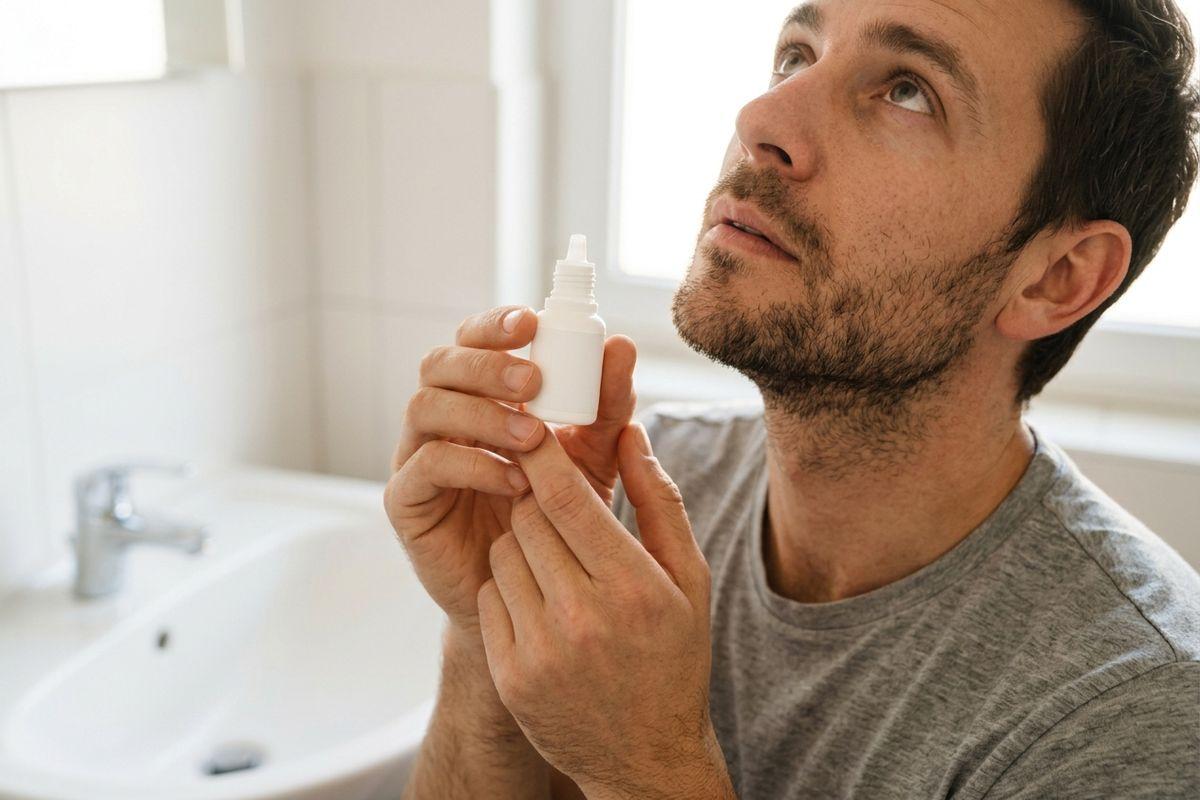
Not all eye drops work the same way, and picking the wrong kind can make things worse. Here’s what to keep in mind when choosing over-the-counter options:
- Choose preservative-free drops if you find yourself reaching for them more than four times a day.
- Eye ointments can work well overnight when your eyes need longer-lasting lubrication while you sleep.
- Avoid redness-reducing drops, as they can increase irritation over time rather than help it.
What Happens If Dry Eyes Go Untreated
When DED is left unaddressed for too long, there may be consequences for the health of your eyes. Here’s what ongoing dryness can lead to:
- Scarring or ulcers on the cornea from chronic dryness and friction.
- A higher risk of eye infection, particularly for contact lens wearers.
- Vision changes that start to affect everyday tasks like driving, reading, or working.
When to See an Optometrist and What Treatment Looks Like
Signs It’s Time to Book an Appointment
Home remedies help a lot of people, but they’re not always enough. If your symptoms persist or worsen even after taking steps at home, it’s worth getting your eyes properly checked by an optometrist.
How Dry Eye Is Diagnosed
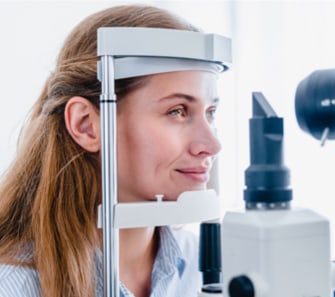
A thorough eye exam is the starting point. Your optometrist will assess both the quality and quantity of your tears. They’ll also ask about your symptoms, medications, and environment to get a clearer picture of what’s going on. This information will shape the direction of your care.
In-Office & Prescription Treatment Options
For more severe cases of DED, in-office and prescription options are available. Lakeland Family Eyecare‘s Dry Eye Spa in St. Paul offers a range of clinically supported treatments, including:
- In-office therapies such as intense pulsed light (IPL), radio frequency (RF), low level light therapy (LLLT), and ZEST eyelid cleansing for a deeper level of care.
- Prescription drops, punctal plugs, and scleral contact lenses.
We offer personalized plans designed for your dry eye situation.
Keep Your Vision Comfortable
If dry eyes have been slowing you down, the team at Lakeland Family Eyecare is ready to help. Serving both Bonnyville and St. Paul, we can assess your eyes, identify what’s contributing to your discomfort, and walk you through your options. Reach out to your nearest location to book an appointment and get started.