You might think your annual eye exam only checks if you need glasses, but your eyes can actually reveal much more about the state of your overall health. The tiny blood vessels, nerves, and tissues in your eyes give our team at Lakeland Family Eyecare a clear window into some of what’s happening inside your body.
Comprehensive eye exams can detect dozens of serious health conditions—from diabetes and high blood pressure to brain tumors and heart disease—often before you notice any symptoms.
Eye Diseases Your Doctor Can Spot Early
Your eye doctor will be on the lookout for several serious eye conditions during your exam.
Glaucoma usually involves increased pressure in your eyes, causing damage to your optic nerve. Your optometrist can check this pressure and examine your optic nerve during your visit. Catching glaucoma early helps prevent permanent vision loss.
Macular degeneration appears as yellow deposits or blood vessel changes in your retina. Digital retinal photography can identify the early warning signs clearly. Early treatment can help slow down or manage this age-related condition.
Common Vision Problems Found During Exams
Cataracts create cloudy spots on your lens that your optometrist can see during an eye exam. Early detection helps you plan for eventual treatment once cataracts start affecting your daily activities.
Dry eye syndrome shows up as inflammation or damage to your meibomian glands and the surface of your eyes. Your eye doctor can spot these changes and recommend treatments if necessary.
Diabetes & Blood Sugar Issues
High sugar levels can cause the blood vessels in your retinas to leak, swell, or develop abnormal growths. In some cases, this can be the first sign that a person may have diabetes.
Diabetic retinopathy occurs when the blood vessels in your retina become weak and start leaking fluid or blood. This is another condition that can cause permanent damage before you start to notice symptoms.
Macular edema, another condition caused by diabetes, involves swelling around your macula and can affect your central vision.
Brain & Nervous System Conditions
Your optic nerve connects directly to your brain, so some brain-related issues can show up during routine eye exams. In particular, your eye doctor will look for swelling or changes in your optic nerve that might signal neurological issues.
Visual field testing can reveal stroke damage or help predict future stroke risk.
Multiple sclerosis and other neurological conditions often affect how your eyes move together. By watching your eye movements and coordination, your eye doctor can check for these kinds of problems.
What Your Pupils Can Reveal
Your pupils should react quickly and equally to changes in light levels. When your pupils don’t respond normally, this can indicate potential nerve damage.
Brain injuries often affect how your pupils look and respond to light. Even old injuries that you might have forgotten about can show up during simple pupil tests.
Heart Disease & Circulation Problems
High Blood Pressure
High blood pressure changes the appearance of the blood vessels in your retina. Your eye doctor can assess whether these vessels look narrow, twisted, or damaged during your exam.
Blood pressure spikes can also cause bleeding or fluid leaks in your eyes.
Obstructed Arteries
Obstructed arteries may be visible in retinal photographs. The results of this imaging may prompt your eye doctor to recommend heart testing.
Cholesterol deposits sometimes form small yellow spots around your eyes or on your retina. These deposits can indicate high cholesterol levels that put your heart health at risk.
How Modern Eye Exams Work at Lakeland Family Eyecare
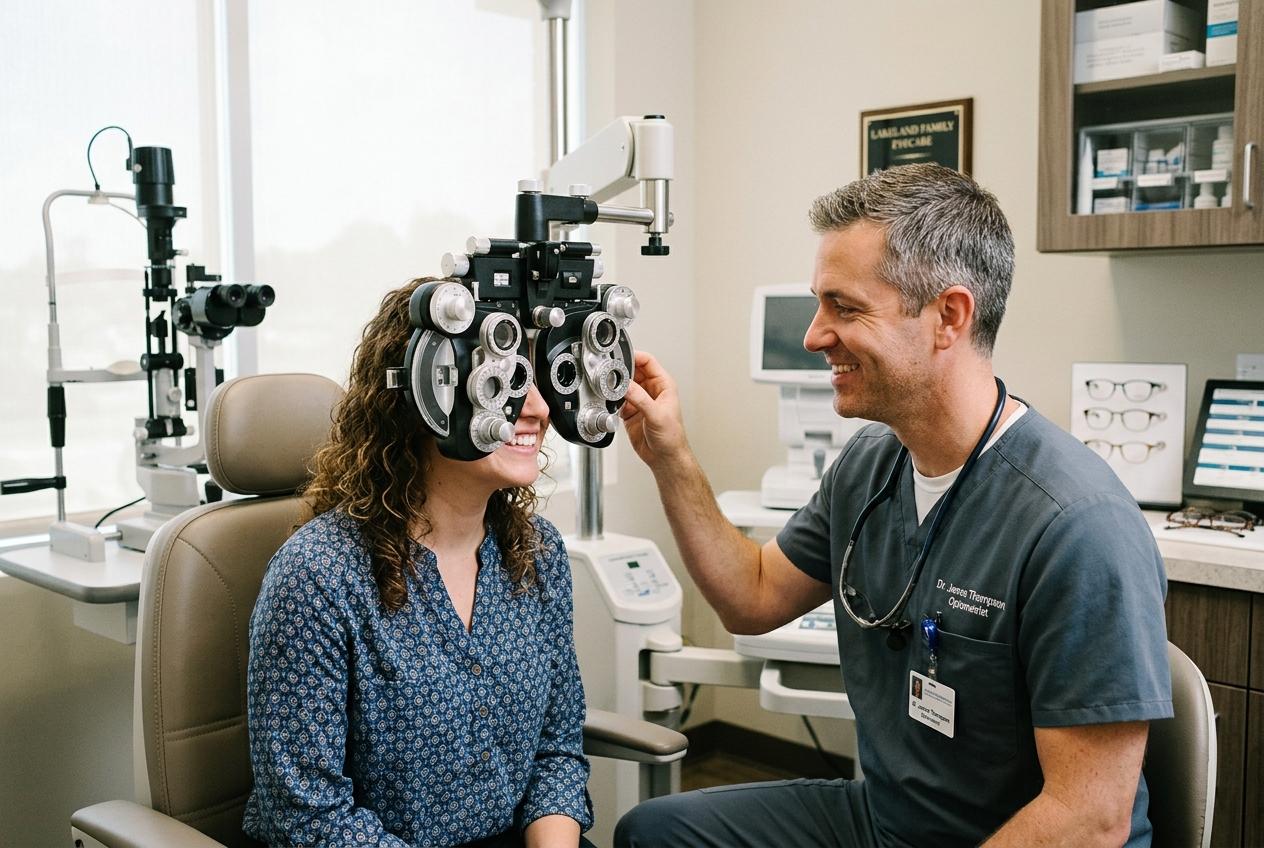
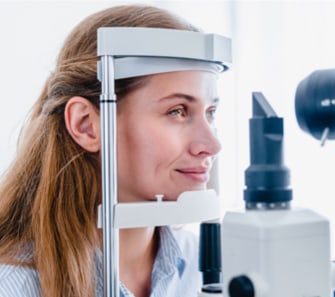
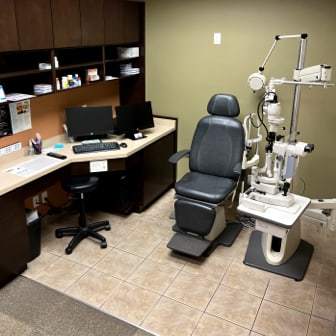
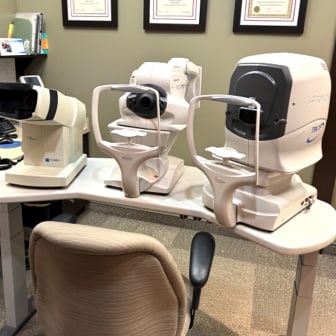
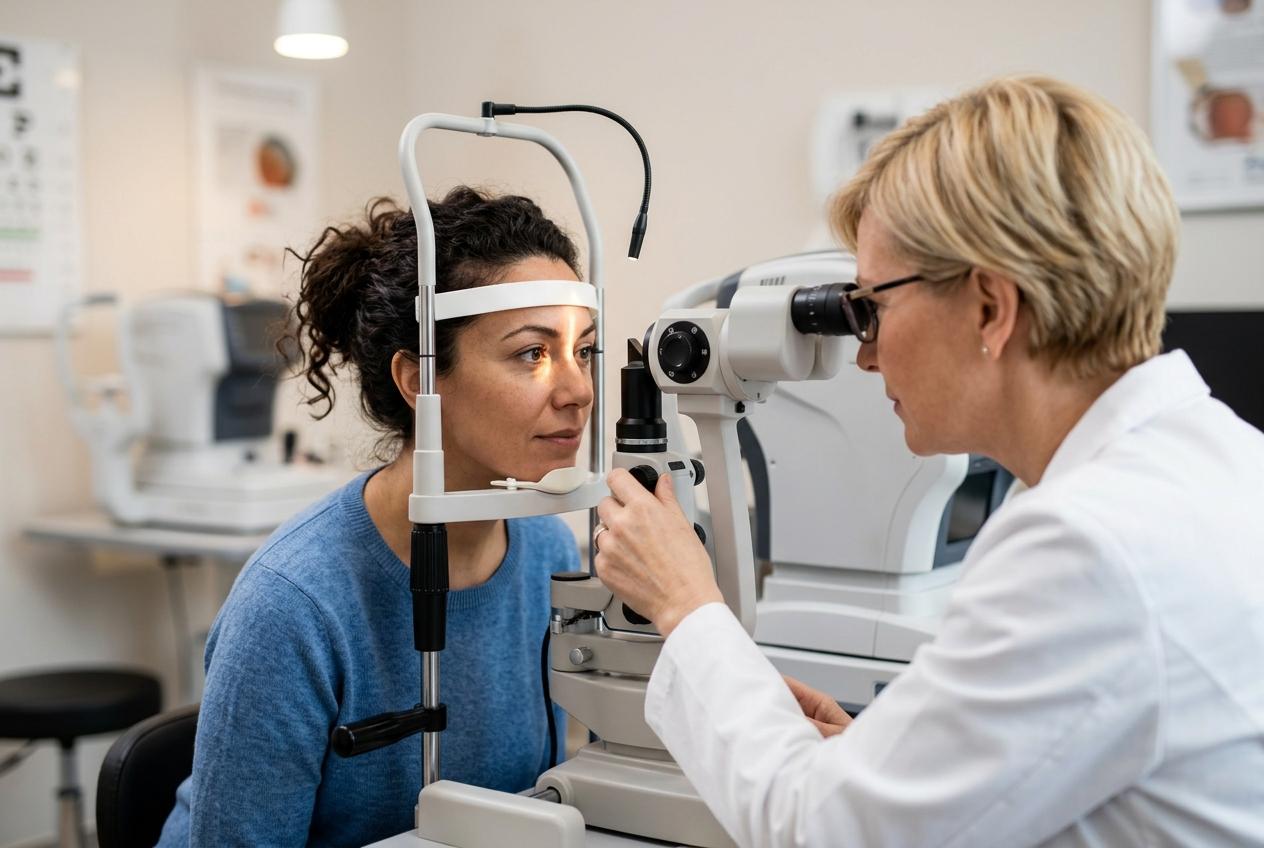
At Lakeland Family Eyecare, we use digital retinal photography and OCT imaging during every comprehensive eye exam. These technologies capture detailed pictures of your retina, optic nerve, and other eye structures. This allows us to spot tiny changes that might indicate more serious problems.
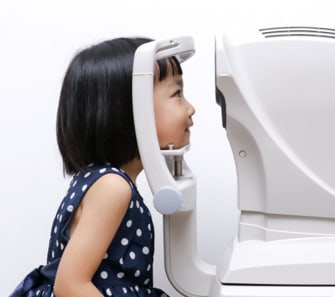
Comprehensive eye exams are advisable for patients of all ages, from 6-month-old babies to centenarians. Each exam is designed to catch age-specific health risks while also screening for a wide range of conditions.
Technology That Makes Detection Possible
Regular monitoring helps catch progressive diseases when treatments work most effectively. Each exam is another useful piece of data, allowing your eye doctor to protect both your vision and your overall health.
Lakeland Family Eyecare has served the community for over two decades, combining local knowledge with modern diagnostic technology. Book your comprehensive eye exam at either our St. Paul or Bonnyville location!